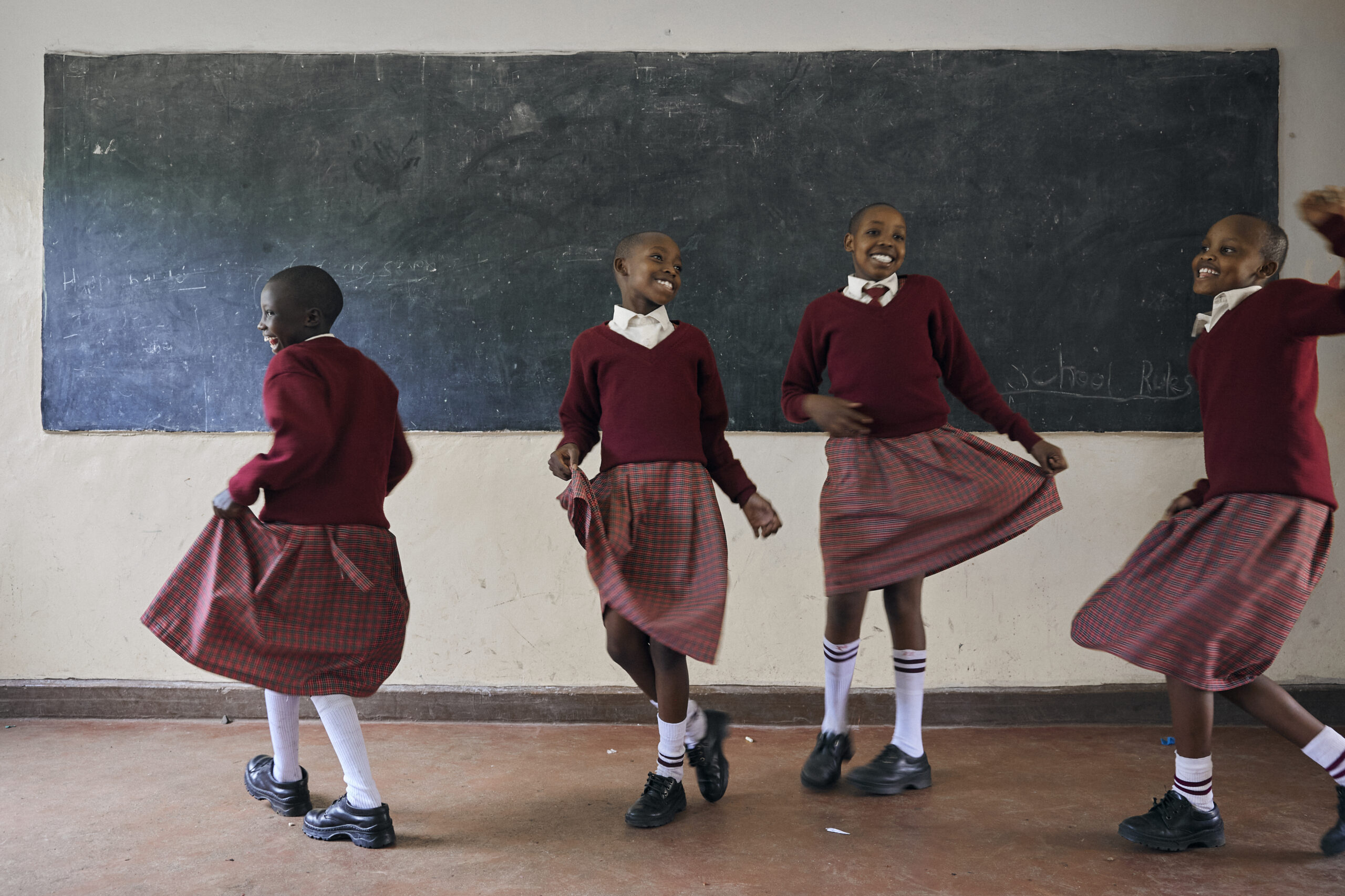
“In my time, things were not easy for girls,” says Norkinegu Eliza Kimpai, a grandmother from Emurtoto. “A man would not marry a girl who had not undergone the cut [female genital mutilation]. That was our tradition, and nobody questioned it. We went through the pain because that was the only path laid out for us.”
Female genital mutilation (FGM) was not simply a practice, it was treated as a social requirement. A girl endured the pain because there was no alternative. Respect, marriage, and belonging depended on it.
Today, things are changing.
“Now, as mothers and grandmothers, we have noticed that men are willing to marry our girls even without undergoing the cut,”Norkinegu says.
Through our Linda Dada program, communities are engaging in open, intergenerational dialogues about tradition, dignity, and the value of girls. We bring local leaders, elders, parents, and young people together to reflect on long-held norms and imagine a different future.
At Kakenya’s Dream, we know that providing direct services to girls alone cannot dismantle the broader systems that sustain gender inequality. Supporting individual girls is vital—but creating lasting change also requires transforming the harmful norms, beliefs, and structures around them. Because practices like FGM and child marriage are upheld not by individuals alone, but by families, traditions, expectations, and unspoken rules passed down over generations.
That is why our work is rooted in community-wide transformation, engaging diverse stakeholders including government officials, religious leaders, the media, parents, elders, and youth in dialogue, learning, and shared accountability for girls’ wellbeing. We create spaces where difficult conversations can happen without judgment, without blame, and without erasing culture.
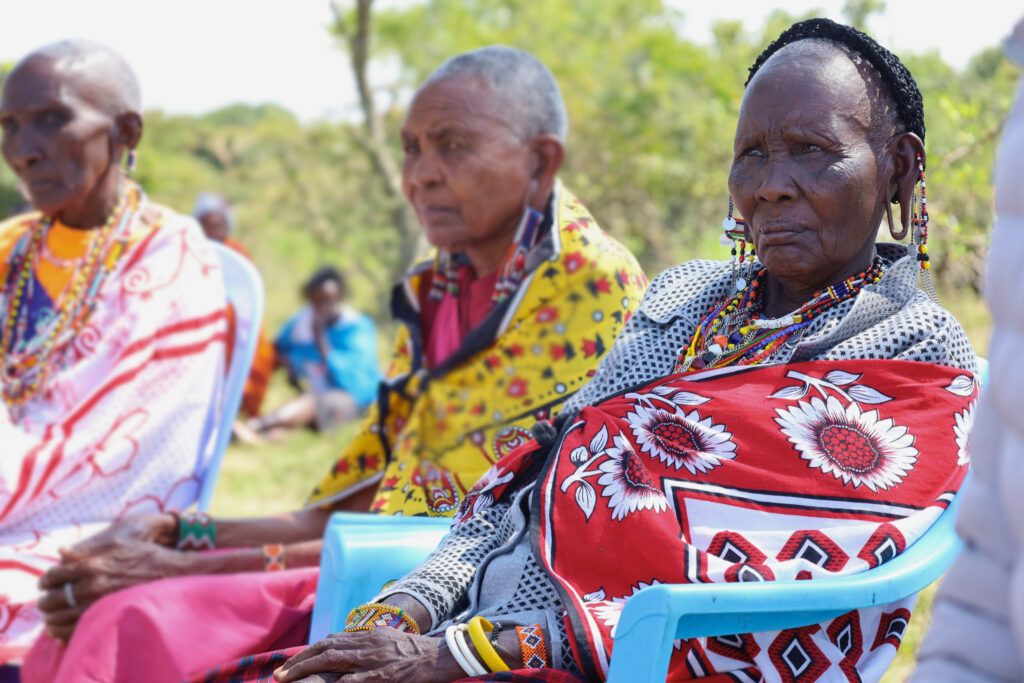
“When I see this Linda Dada program, I feel something new in my heart,” Norkinegu continues. “Kakenya’s Dream is not only protecting our daughters from the pain we carried but also making them respected wives. They are teaching us and the community that a girl can still be respected and even more honored without the cut. This is something I never thought I would live to see, especially in the Maa community.”
This shift matters. When men are willing to marry girls who have not undergone FGM, when parents publicly reject harmful practices, and when elders listen and reflect alongside young people, the social rules begin to change, and that’s where lasting impact takes root.
“It is my happiness to watch fathers and mothers here in Emurtoto listen carefully during the trainings, even elderly ones like myself,” she says as she smiles.
That happiness is evidence of something powerful: norms are shifting not because they are being imposed from the outside, but because communities themselves are choosing a different future.
“I have seen young girls speak up fearlessly in ways we never did. That tells me things are changing. The old chains are breaking,” she reflects. “And our daughters will have a different life altogether.”
This is community-led change in action: meaningful, collective, and led from within. It is not only protecting girls today, but reshaping what respect, dignity, and opportunity mean for generations to come.
“I receive this move with joy,” she concludes.
And with that joy, a new story for girls is being written.